
Why DMARC isn't optional anymore

Why DMARC isn't optional anymore
A near-death experience with email deliverability led us to create a solution for other brands.
Back in early 2024, we were just starting up, and like most fledgling companies, we relied heavily on email to reach prospects, nurture leads, and build relationships. Which is to say, our future hinged on our ability to land in inboxes.
So when Google implemented stricter protocols for DMARC implementation in late 2023, and our emails started hitting spam, we came face up against an existential threat.
Luckily, because of my earlier stints working at Sify and other tech companies, we immediately caught on to what was happening Google's stricter implementation meant that emails from domains without proper DMARC, SPF, and DKIM configuration were increasingly likely to be flagged as suspicious.
Google was coming down heavy on authentication as a response to the growing email security crisis. But for many businesses like us, these changes came as a jolt.
What we did to turn this around
What followed were some intense, round-the-clock weeks of research, testing, and implementation. We looked into email authentication protocols, configured our domain records, and methodically worked through Google's requirements.
Soon after our implementation, our email trustworthiness went up to 100%. and our deliverability rates bounced back proof that we now had a bulletproof email authentication setup.
Since then, we have looked around at how other businesses are faring on this front. To our surprise, we have discovered that a lot of them are still vulnerable to email spoofing and deliverability issues because they haven't properly configured their email authentication.
Why you need to care about DMARC
Email is still the lifeblood of business, but it's also the favourite channel for cybercriminals. Spoofing, phishing, and brand impersonation are rampant, and the consequences aren't just technical. Your domain reputation suffers, legitimate emails start landing in spam folders, customer trust erodes, and your brand becomes associated with security threats. The ripple effects can last months, even years.
DMARC (Domain-based Message Authentication, Reporting & Conformance) is a protocol designed to protect your domain and your customers from these exact threats. Yet despite its critical importance, many organizations haven't implemented it properly, or at all.
Why DMARC implementation remains low
Technical complexity: DMARC isn't just a simple DNS record. It requires understanding SPF, DKIM, domain alignment, and policy gradation. For businesses without dedicated IT security teams, this can be a lot of detail.
Fear of breaking email: Many organizations worry that implementing DMARC will cause legitimate emails to be rejected. This is a valid fear. Improper DMARC implementation (for example, too strict too soon) can cause legitimate email to be rejected or quarantined, so testing and monitoring are vital.
Resource constraints: DMARC implementation requires ongoing monitoring and policy refinement. Many organizations lack the time or expertise to do this properly.
Third-party challenges: Managing DMARC with multiple email service providers, marketing platforms, and subdomains adds even more complexity to implementation.
Introducing SecureDMARC
Despite these roadblocks, DMARC implementation is too important to delay. After solving our own problem and seeing the widespread need in the market, we realized we had an opportunity to help other businesses avoid the crisis we faced.
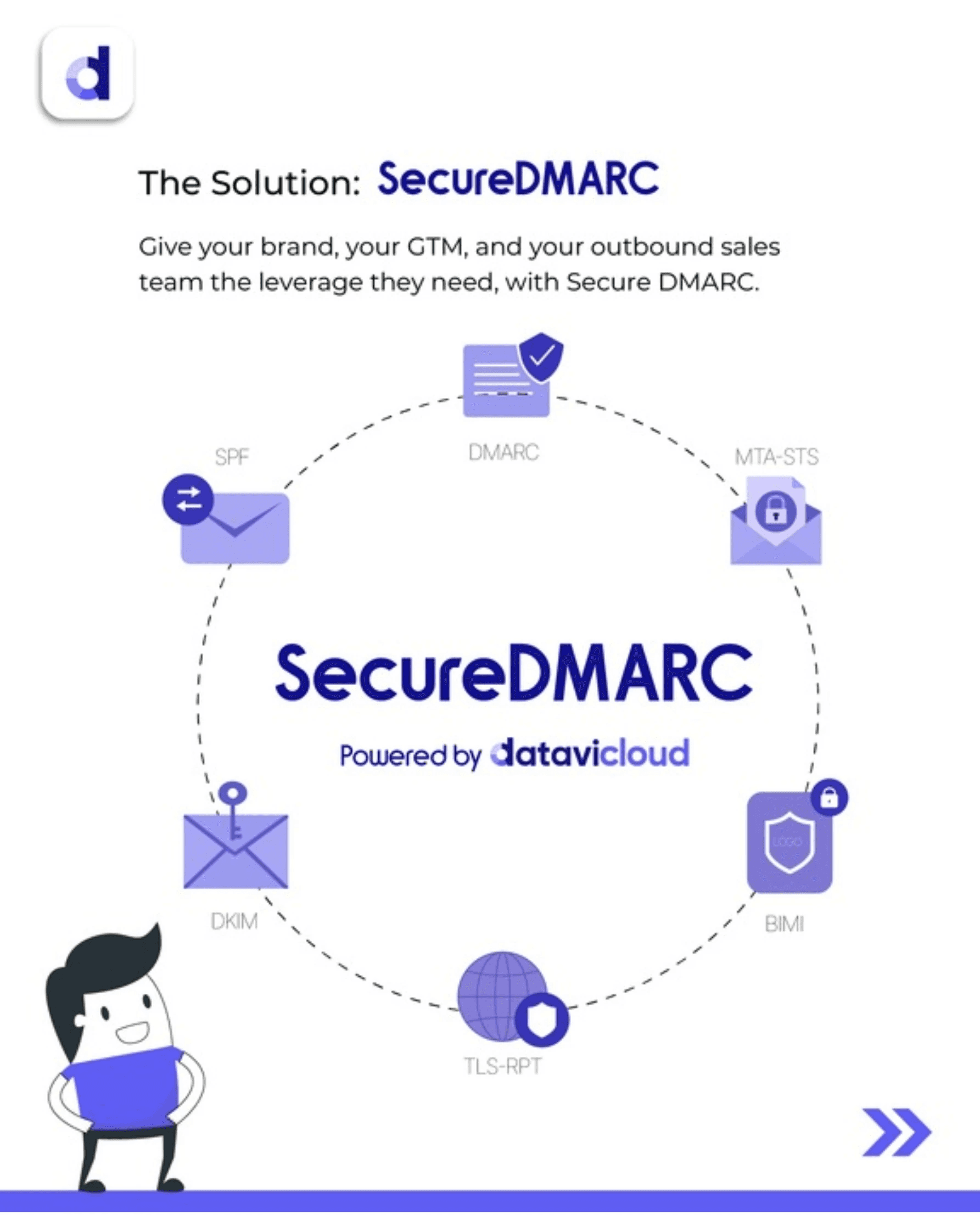
That's why we have included SecureDMARC, an email authentication service, as part of our LEO (Lead Enrichment and Optimization) offering. SecureDMARC will help you:
Validate sender authenticity to stop phishing and spoofing.
Enhance brand visibility and customer trust.
Improve inbox placement, avoiding spam/junk folders.
Protect your email reputation, the foundation of effective B2B and B2C communication.
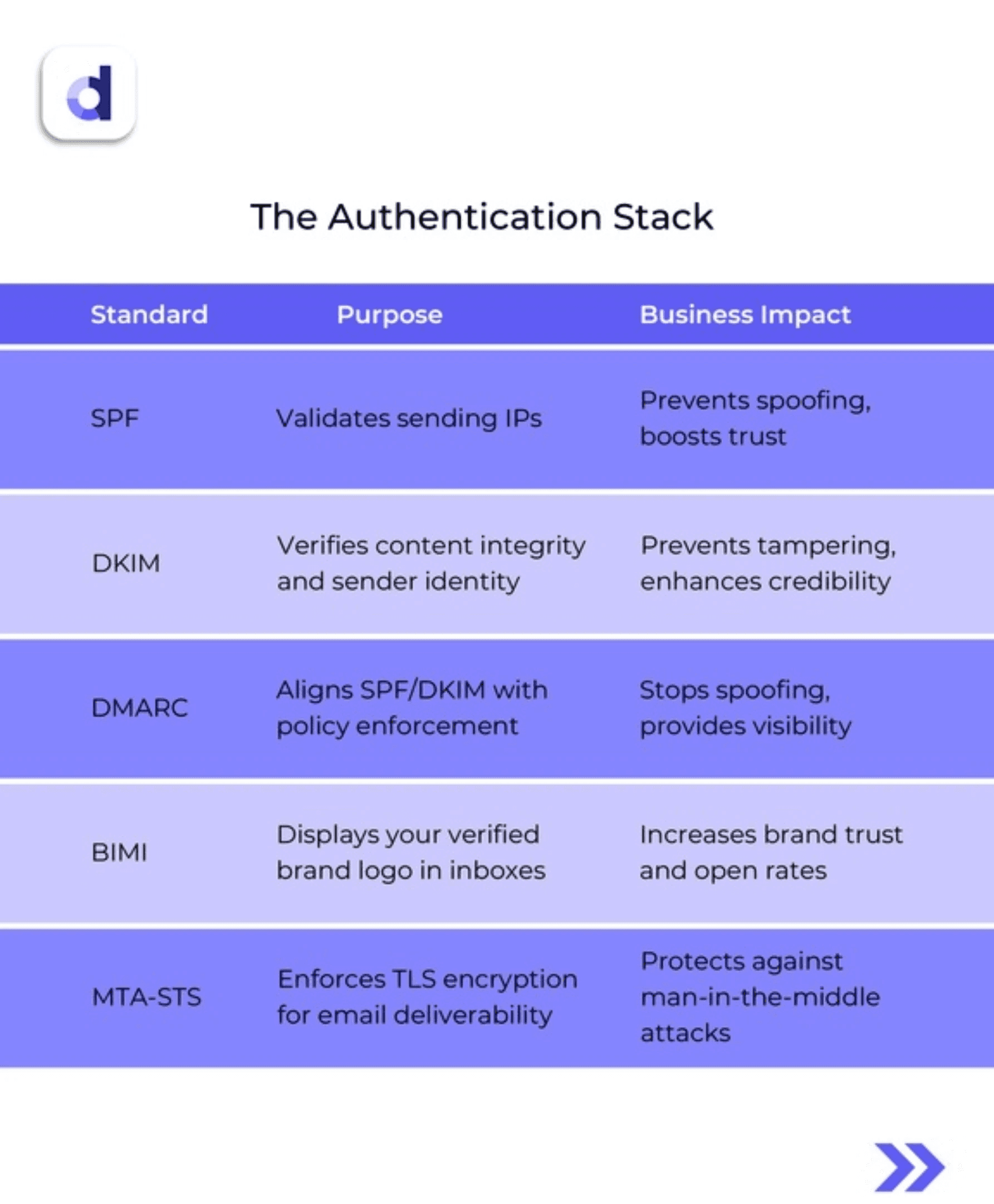
How we do it
Comprehensive assessment: We analyze your current email authentication setup and identify vulnerabilities and opportunities.
Safe implementation: We implement DMARC policies gradually, monitoring for legitimate email issues and adjusting as needed.
Ongoing monitoring: DMARC isn't set-and-forget. We provide continuous monitoring and reporting to ensure your policies remain effective.
Expert support: When issues arise, you're not alone. Our team has real-world experience solving email authentication challenges.
Email security and deliverability aren't optional anymore. The question isn't whether you need proper DMARC implementation. It's whether you'll implement it proactively or reactively. Don't wait for a crisis to force your hand. The tools and expertise exist to solve this problem today.
Ready to fix your email deliverability? We would love to take you through a demo of LEO and SecureDMARC.
Recent Post






FAQ
Comment Section