
The Dead Lead Revival Method

The Dead Lead Revival Method
A practical system for turning old pipelines into new meetings without eroding trust.
When it comes to B2B sales, no means no. But it doesn’t mean never. This is the crux of what we are talking about today—mining new business out of old leads in your pipeline.
Every CRM has a no-man's land of dead leads. These are prospects who engaged with you at least once, via form fills, demo requests, or emails, but went cold after that. They are typically marked "closed-lost" after a few touches. Too often, GTM teams treat these leads as lost causes. But they aren’t that, at least not always.
Why Dead Leads Matter
With a change in circumstances, these leads may be in the warm zone again. Here’s why your dead leads may still have a little life left in them.
Sales cycles are lengthening: For complex B2B products, the average sales cycle has grown by 22% in the last five years, meaning today’s “lost” lead may simply have needed more incubation.
Buying committees are bigger: Modern B2B deals involve 6–10 decision-makers, which increases the chance that earlier engagement missed a key influencer.
Market dynamics shift fast: Customer needs evolve with regulatory changes, competitive pricing moves, and technology adoption waves. Dead leads from 6–12 months ago may be relevant again today.
Because of prior qualification, these leads are more cost-effective than new acquisition, hovering at 20-25% close rates post-reactivation. In short, they can become your highest-ROI source of new meetings.
Today, we’re digging into the Dead Lead Revival Method: a disciplined way to re-enter conversations, nudge old leads, and decide when to walk away for good.
Four Steps to Reviving Dead Leads
Step 1: When to reach out—context and triggers
Before you make contact, check if the context has changed at all. You should be able to answer three questions:
Identifying these shifts manually is impossible at scale; this is where automation tools like LEO help by monitoring intent signals and role changes in real-time.
1. Is this person still relevant?
Has their role changed?
Do they still sit close to the problem you solve?
Are they now more senior?
2. Has the company crossed a threshold?
Funding, hiring, or layoffs
New tools added to the stack
Regulatory, compliance, or market pressure
3. Do you have a new reason to talk?
Do you have a new offering that they are likely to be interested in? Or a change in pricing strategy that could get them listening? If nothing meaningful has changed, either at their end or yours, you are not likely to have a successful re-engagement.
Simply put, your operating principle should be:
No new insight = no outreach.
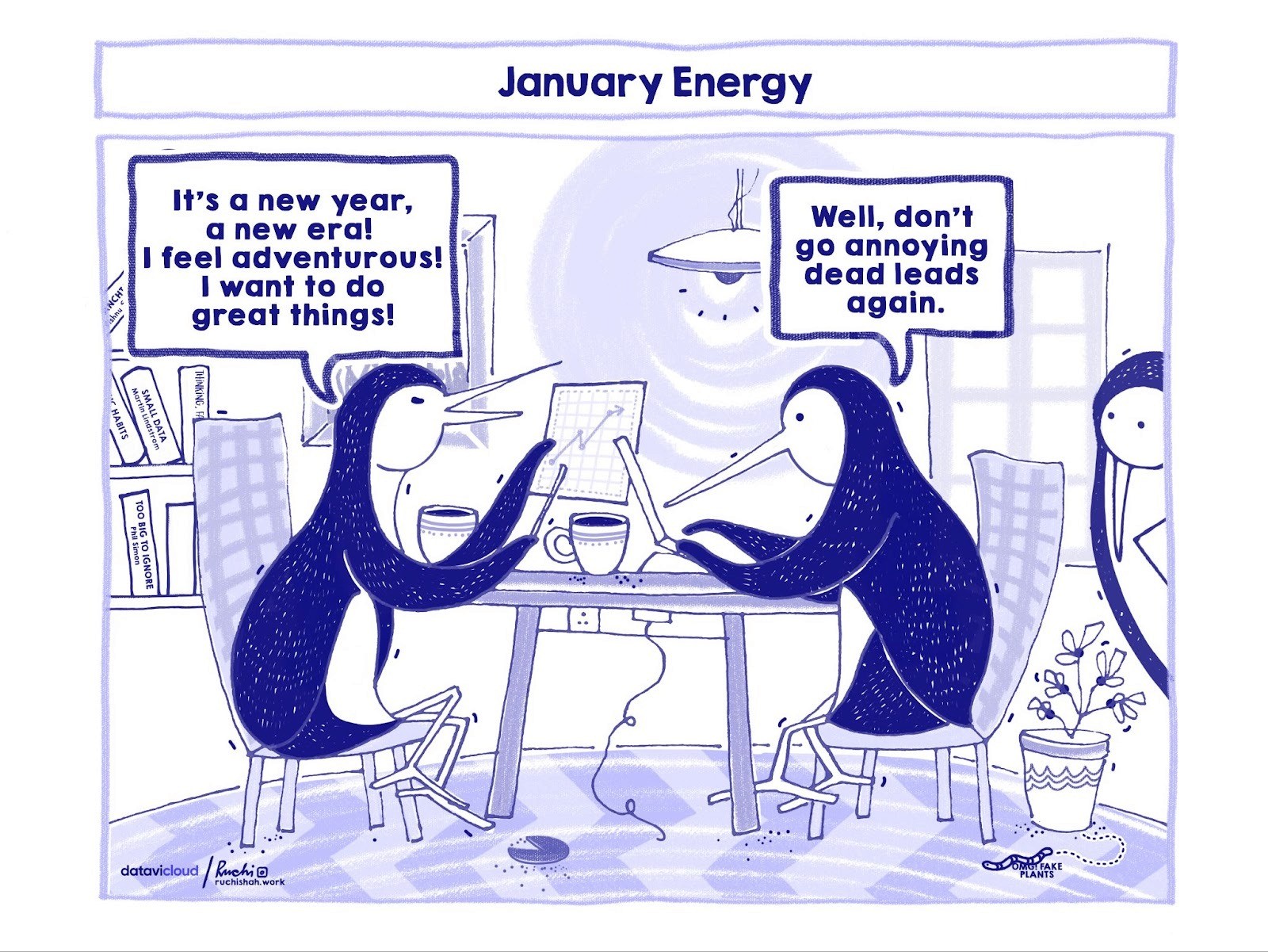
Step 2: How to reach out: Resume, don’t restart
Old pipeline comes with memory, and this memory can work for you or against you. When you are reviving a conversation, make sure you reference what happened the previous time, so that you don’t sound canned or automated.
Re-engaging dead leads is likely to fail if you:
Reuse generic outbound sequences
Pretend the previous conversation never happened
Apply artificial urgency where none exists
And likely to succeed when you keep your re-engagement:
Short
Keeping a re-engagement email concise respects the prospect’s time. In a Hubspot analysis of over 40 million emails, messages between 75 – 100 words consistently achieved the highest response rates (~51%) versus much longer or ultra-brief alternatives.Context-aware
Most leads probably remember your last interaction or will remember it once you jog their memory. Referencing the specific point where the conversation stalled (e.g., budget timing or feature need) before presenting new context will dramatically increase your relevance.Non-assumptive
Assumption-laden language (“this must be urgent for you”) tends to lower reply rates because it creates psychological resistance.Easy to say no to
As counter-intuitive as it sounds, making it easy for prospects to decline increases reply rates. A simple choice (“Should I close the loop for now?”) reduces cognitive load and respects their agency — which often leads to clarity for your pipeline.
Sample Re-Engagement Sequence Templates
1. The Context Reset
Subject: Picking this up from earlier this year Hi {Name}, We spoke back in {Month} when {original constraint or reason}. Curious if this has moved up the priority list—or if timing’s still off. |
Why this could work:
You acknowledge history and earn the right to ask again.
2. The Insight Add
Subject: Something we’re seeing with teams like yours {Name}, We’re seeing {peer segment}} teams rethink {specific process} because {new constraint or opportunity}. This wasn’t as visible when we last spoke, so I thought it might be relevant now. |
Why this could work:
You’re not selling—you’re updating them on a shift they might not have fully processed yet.
3. The Clean Exit
Subject: Should I close the loop?
Hi {Name}, I don’t want to keep nudging if this isn’t on the roadmap. Worth revisiting later this year—or should I close the file for now? |
Why this could work:
It lowers pressure and often triggers a response—yes or no. Both are wins.
Step 3: Leverage the ‘Golden Windows’ of opportunity
Engage during “happy times”.
Positive trigger events—funding rounds, expansions, or product launches—signal growth and openness to new solutions. Acknowledge the news with a sincere note and a relevant offer to help. Companies in growth mode are usually far more receptive.
Engage during internal changes.
Leadership changes, team restructures, new role creation, or mandate shifts often reopen decisions that were previously “settled.” A new VP, director, or functional head is under pressure to assess existing tools quickly—and is far more willing to revisit vendors their predecessor dismissed.
Act fast on external trigger events.
Identify industry moments that prompt buyers to reconsider vendors—price hikes, service failures, or market shifts. When these triggers occur, increase your visibility with timely, consistent outreach.
Step 4: When to let go of a dead lead
Not every dead lead deserves revival. Some really are better left dead. Here are clear signals it’s time to step away:
1. You’ve heard “not a priority” multiple times — and nothing in their world has changed
A single “not now” can become a “yes” later. But if you’ve received the same message across quarters, continuing your outreach just burns trust.
At that point, mark this account for long-term nurture, not active pursuit.
2. Your champion has churned
If your key sponsor has left the role—especially if it’s happened multiple times—and you haven’t been able to establish a second or third stakeholder, the opportunity is structurally weak.
Treat it as closed and reopen only if a new internal champion explicitly re-initiates interest.
3. Your ICP or positioning has evolved away from them
You may have grown up since your first conversation. New industry focus, compliance requirements, or product direction can move old leads out of fit.
Formally disqualifying these old leads will help you create space for wins elsewhere.
4. There is negative consensus inside the buying group
If multiple stakeholders have expressed status quo preference, tool fatigue, or vendor lock-in, you’re up against organizational gravity, not one person’s hesitation.
Pushing harder at this point just wastes cycles.
Parting Thoughts
We’re not here to say that your dead leads are buried treasure—but they aren’t just CRM deadweight either. Sometimes, dead leads can point to deferred intent, sometimes they are just clutter. You’ll only know when you approach them with fresh data, precise context, and disciplined exit criteria.
Recent Post






FAQ
Comment Section