
Feb 10, 2026
Why We Built in LEO—Lead Enrichment and Optimization
Recent Post



Why We Built in LEO—Lead Enrichment and Optimization
The origin story of our latest product, LEO—Lead Enrichment and Optimization—as told by the people instrumental in building it.
When we started Datavicloud back in 2023, the goal was simple: build a revenue intelligence platform. An end-to-end GTM platform wasn’t part of the plan.
But as anyone who’s built (or sold) in B2B knows, plans rarely survive first contact with reality. This is the story of how our own day-to-day GTM struggles forced us to rethink what we were building, and why LEO eventually came to life.
What follows is a perspective from people across the Datavicloud team.
The reality of doing GTM with lean teams
Smitha Gowda (Senior SDR Manager, Datavicloud): In our own outreach efforts, we quickly realised how hard it was for small teams like ours to manage GTM using a patchwork of tools.
We had:
one tool for data mining,
another for enrichment,
another for outreach,
and a few more for “everything else”.
None of these tools spoke to each other cleanly, so context was lost at every handoff. Over time, it became clear that this wasn’t just inconvenient, it was actively hurting outcomes.
Problem #1: Enrichment at scale
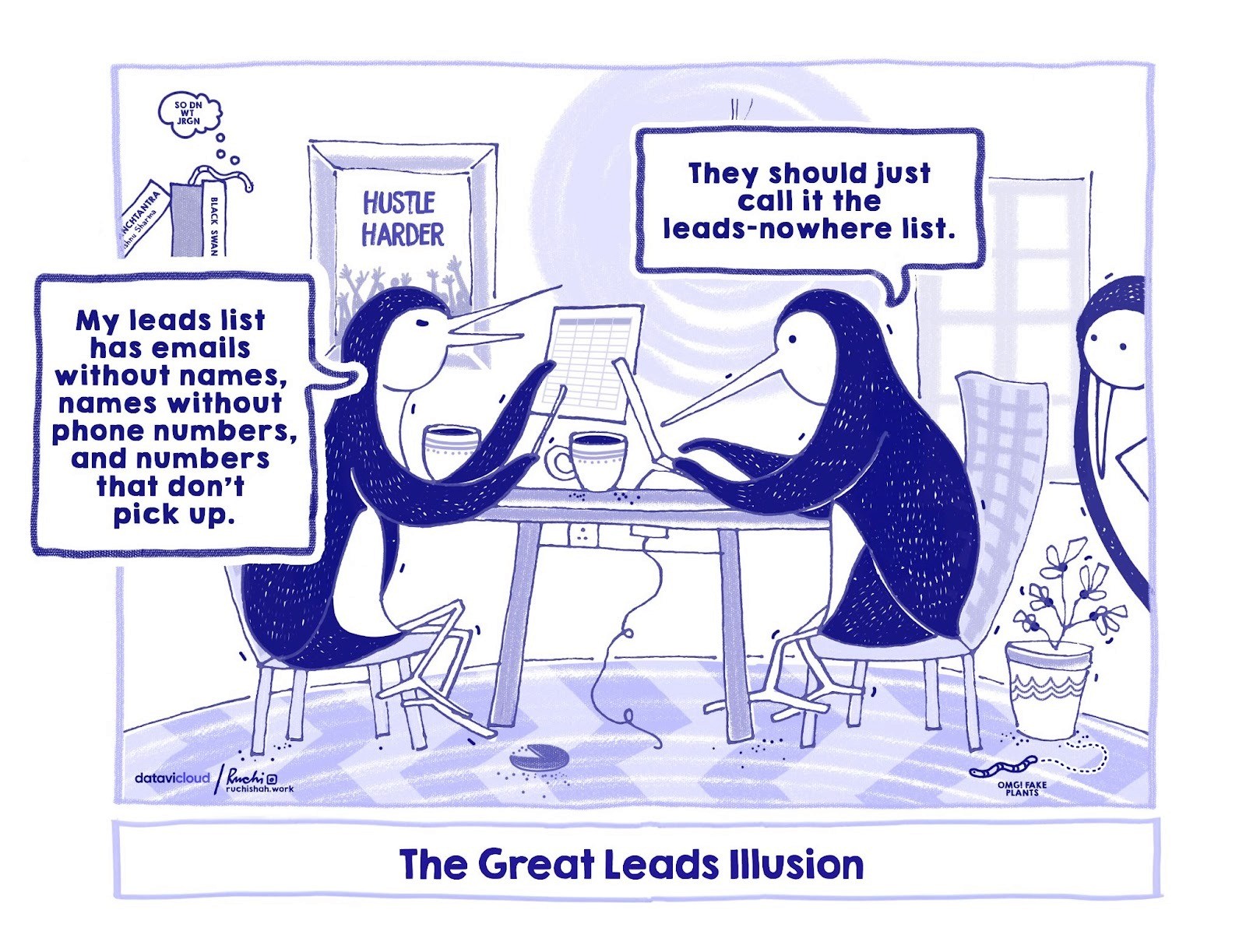
Jayaprakash R (Senior Market Insights Strategist): On paper, enrichment sounds straightforward: find leads, enrich them, pass them on. In practice, as outreach volume increased, enrichment costs ballooned. We were enriching thousands of leads without real confidence that they were the right leads.
We were spending heavily on enrichment:
without knowing which companies were actually in-market,
without clarity on timing,
and without strong signals that outreach would land well.
Clearly, this wasn’t sustainable. We had to find a way to reduce lead enrichment costs.
Problem #2: Outreach without flow
Smitha: Even after the exhausting process of mining and enriching data, reaching out to customers was an entirely different challenge.
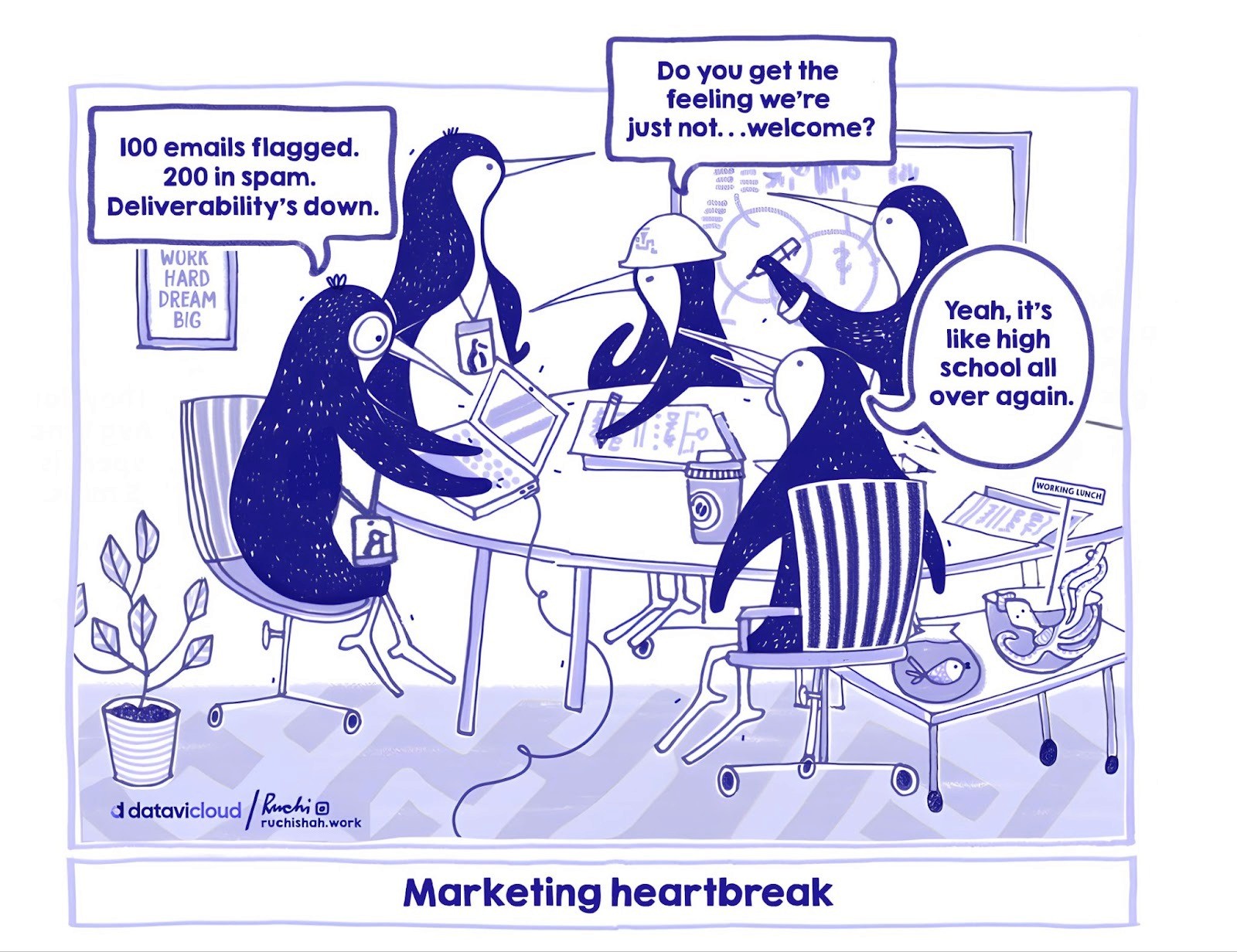
The B2B market isn’t very email-friendly anymore. Cold emails alone weren’t enough. LinkedIn looked promising, but connection request limits made it difficult to reach our entire target base. WhatsApp had potential, but managing it alongside email and LinkedIn became messy very quickly.
To make this work, we ended up juggling five to six different platforms — for enrichment, sequencing, LinkedIn outreach, tracking, and follow-ups.
The net result
What we were doing | What we needed to be doing |
|
|
LEO—Lead Enrichment and Optimization: From internal fix to product
SentthilKumar N, Co-founder and CSO: LEO—lead enrichment and optimization—began as an internal idea. It was something we sketched out for ourselves, to address the gaps we were struggling with.
But around this time, we looked around and realized this wasn’t just our problem. This was a broad GTM problem, especially for lean teams trying to do serious outbound. So soon enough, this also became an idea for our next product.
Vikas Kumar, Founder and CEO: We realized that everyone was talking about AI-powered lead scoring or conversion optimization, but very few were focused on fixing the broken handoffs that kill 70% of your pipeline potential before it even gets there. We built LEO after watching our own team drown in tool sprawl, often enriching the wrong leads, losing context at every step, spending more time toggling than selling.
The 'messy middle' isn't a feature gap. It's a systems design problem. With LEO, we turned that chaos into competitive advantage by connecting enrichment, signals, and outreach into a single flow. We built it so you can go from hoping for revenue to engineering it.
Solution #1: Real prioritisation, not just scoring
We began by rethinking how leads and companies were prioritised. Instead of static lead scores or surface-level filters, we built:
Defined ICPs, grounded in real business context
Lead scores that represented actual potential, not just numerical rankings
We weren’t simply matching a checklist of attributes, we were executing AI powered lead enrichment. We used AI and ML to understand relevance, fit, and likelihood, followed by multi source waterfall enrichment of the leads that actually mattered.
Solution #2: Inbox deliverability
After Google implemented stricter protocols for DMARC implementation in late 2023, our emails started hitting spam and our deliverability tanked. We began implementing best practices for authentication with SPF, DKIM, and DMARC to keep our campaigns in the inbox. We realized this was a problem that many companies continue to face, and we rolled this service into our LEO offering.
Solution #3: Signal-based, multi-channel outreach
We expanded the platform to encompass lead enrichment with intent signals, by focusing on both internal and external signals. These signals became richer and clearer over time. And instead of living in separate dashboards, they fed directly into action. Outreach — whether via LinkedIn, email, or WhatsApp — happened from the same place where prioritisation happened.
Result: A GTM flow that actually works
By bringing waterfall lead enrichment, prioritisation, signals, and outreach together, LEO allows teams to spend less time managing systems, and more time building conversations.
This makes all the difference.
If you would like to understand how LEO—lead enrichment and optimization can help your GTM motion gain traction and bring in predictable revenue, we’d love to take you through a short demo of LEO—lead enrichment and optimization.